How to Choose Durable Roof Materials for Your Home
When it comes to protecting your home, the roof is the first line of defense. It takes the brunt of rain, wind, snow, and sun, year after year. Over time, even the best roofs show wear, and that is when you start thinking about replacement. Choosing the right materials for a new roof is not just about curb appeal. It is about finding something that will hold up against the local climate and your own expectations for longevity.
I have spent years working with homeowners in the Southeast, and one thing I have learned is that there is no single perfect roof for every house. The choice always involves trade-offs between cost, lifespan, maintenance, and how the roof handles the heat and humidity of a Georgia summer. Let me walk through the most common options and what you should really consider before making a decision.
Asphalt Shingles: The Reliable Workhorse
The most common residential roofing material in the United States is the asphalt shingle, also known as an architectural shingle or composition shingle. These are made from a fiberglass or organic mat coated with asphalt and topped with ceramic granules. They are affordable, easy to install, and come in a wide range of colors.
But how durable are they? A standard three-tab shingle might last 20 to 25 years if the attic is well-ventilated and the roof slope is steep enough to shed water quickly. Architectural shingles, which are heavier and thicker, can push that lifespan closer to 30 years. The key weakness here is granule loss. Over time, the ceramic coating wears away, exposing the asphalt to UV rays. Once that happens, the shingle becomes brittle and starts to crack.
If you live in an area with frequent hailstorms or heavy tree cover, asphalt shingles can be vulnerable to impact damage from falling branches. They are also not the best choice for low-slope roofs because water can seep under the edges during heavy rain. That said, for the price and ease of installation, they remain a solid choice for many homeowners.
Metal Roofing: Strength and Longevity
Standing seam metal roofs have been used on commercial buildings for decades, but they are becoming more popular on residential homes. The most common materials are steel coated with zinc and aluminum (Galvalume) or pure aluminum. These roofs can last 40 to 60 years with proper installation.

Metal roofs are incredibly resistant to fire, rot, and insect damage. They also reflect solar heat, which can lower cooling costs in the summer. However, they are not cheap. The material cost is higher than asphalt, and installation requires specialized skills. Another factor is noise. During a heavy rainstorm, a metal roof can be loud unless the decking and insulation are done right. And in the Southeast, where we get thunderstorms that drop an inch of rain in an hour, that noise can be surprising if you are not expecting it.
Connect with us on LinkedIn.
One common misconception is that metal roofs are prone to rust. Modern coatings and galvanization make them very resistant to corrosion, even in coastal areas. But you do need to watch out for galvanic corrosion if dissimilar metals come into contact, like copper flashing touching steel panels. A good contractor will know how to isolate those materials.
Tile and Slate: Old-World Durability
Clay tile and natural slate are among the most durable roof materials you can buy. A properly installed clay tile roof can easily last 50 to 100 years. Slate is even longer, with some roofs in Europe still going strong after 150 years. These materials are fireproof, resistant to rot and insects, and they handle high winds very well because individual tiles are heavy and interlock.
The downsides are weight and cost. Clay tile weighs around 800 to 1,000 pounds per square, while slate can be even heavier. Your roof structure may need reinforcement to carry that load, which adds to the expense. And the material itself is expensive. You are looking at two to three times the cost of asphalt shingles. But if you plan to stay in the house for decades, the longevity can make the investment worth it.
Another consideration is that tile and slate are brittle. Walking on them for maintenance or repairs requires extra care. A cracked tile can be replaced, but matching the color and texture of an older roof is not always easy. Still, for a home with a steep pitch and a classic architectural style, there is nothing that looks quite like a clay tile roof.
Synthetic Slate and Composite Shingles
If you like the look of slate but not the weight or price, synthetic slate made from rubber or plastic composites can be a good compromise. These materials mimic the appearance of natural slate but are lighter and less brittle. They are also more impact-resistant, so you do not have to worry as much about cracking from hail or foot traffic.

The downside is that synthetic materials have a shorter track record. Some brands have been around for 20 or 30 years, but we do not yet know if they will last 50 years like natural slate. UV degradation is a concern, though modern additives have improved their resistance significantly. If you are considering this route, look for a manufacturer with a strong warranty and a proven history.
What to Look for in Durable Roof Materials
When you are comparing options, there are a few key factors that determine how long a roof will actually last in the real world, not just on paper.
- Climate compatibility: In the Southeast, heat and humidity are the biggest enemies. Materials that reflect heat, like metal or light-colored shingles, will slow down aging. Materials that trap moisture, like wood shakes, are a bad idea here.
- Installation quality: Even the best shingles will fail early if they are nailed too tight or spaced too far apart. A roof is only as good as the crew that installs it. Check references and look at their previous work.
- Ventilation: An unventilated attic can cook shingles from underneath, causing them to curl and crack. Ridge vents and soffit vents help keep the deck temperature down and extend the life of the roof.
Another thing to consider is the pitch of your roof. A steep slope sheds water fast and gives you more material options. A low slope (below 4:12) requires special underlayment and may limit you to metal or single-ply membranes. Do not let a contractor talk you into standard shingles on a low slope; they will leak within a few years.
Maintenance Matters
No matter what material you choose, a roof will last longer if you take care of it. That means cleaning gutters twice a year, trimming overhanging branches, and having a professional inspection after major storms. Small issues like a lifted shingle or a cracked flashing boot can turn into major leaks if ignored.
One practical tip: if you see granules from asphalt shingles collecting in the gutters, that is a sign the roof is aging. It does not mean failure is imminent, but it is time to start budgeting for a replacement. For metal roofs, check the fasteners and seams for signs of loosening. For tile, look for cracked or slipped pieces after high winds.
Making the Final Call
Choosing the right roof material comes down to balancing your budget, the look you want, and how long you plan to stay in the house. If you are only planning to live there for five more years, an architectural shingle might be the smart economic choice. If you are building a forever home, paying more for slate or metal could save you the hassle of replacing the roof later in life.
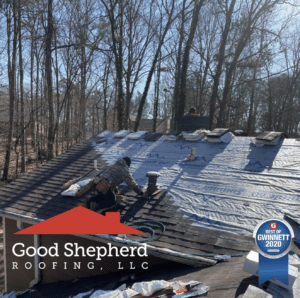
I have seen too many homeowners pick a material based solely on price, only to regret it when the roof starts failing fifteen years early. Take the time to understand the climate you live in and the real-world performance of each option. A good contractor will help you make that decision, not just push a product.
Good Shepherd Roofing, located at 2505 2nd Ave, Dacula, GA 30019, USA, can be reached at +1 833-477-7663 for roof repair, replacement, gutters, and insurance claim support for homeowners in the area.